Harnessing Discipline and Consistency in Basketball for Lifelong Success
- David Buczel
- 1 day ago
- 3 min read

Basketball is more than just a sport. It demands discipline and consistency, qualities that extend far beyond the court. Players who commit to regular training and maintain focus develop habits that shape their character and influence their everyday lives. This post explores how the discipline and consistency learned through basketball training can build essential life skills, offering practical examples and insights for anyone looking to grow both as an athlete and as an individual.
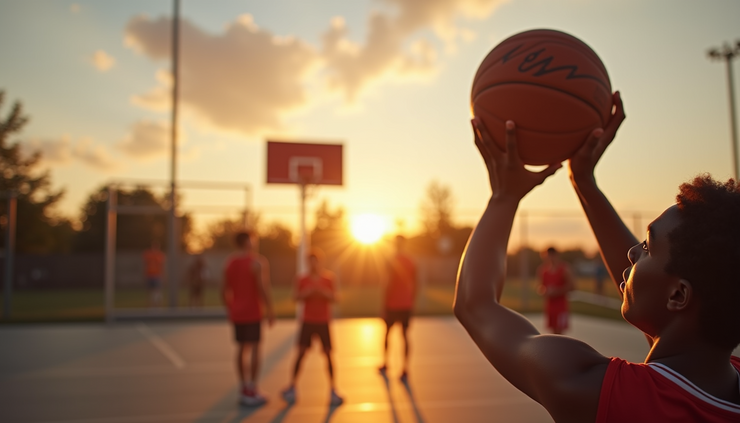
Discipline Builds Strong Foundations
Discipline in basketball starts with showing up. Whether it’s early morning drills or late evening practice, players learn to prioritize their time and commit to their goals. This regular commitment teaches:
Time management: Balancing school, work, and practice requires planning and sticking to a schedule.
Self-control: Players resist distractions and temptations to focus on improvement.
Goal setting: Breaking down long-term ambitions into daily tasks helps maintain motivation.
For example, a young athlete who trains daily to improve shooting accuracy learns to push through fatigue and frustration. This persistence translates into other areas like academic studies or career development, where steady effort leads to progress.
Consistency Creates Momentum
Consistency means showing up with the same level of effort every day, regardless of mood or external circumstances. In basketball, consistent practice sharpens skills and builds muscle memory. Over time, this leads to noticeable improvement and confidence.
Skill mastery: Repetition helps players perfect techniques like dribbling, passing, and shooting.
Resilience: Facing setbacks during practice and games teaches players to keep going.
Reliability: Coaches and teammates trust players who consistently perform well.
A player who commits to practicing free throws every day, rain or shine, will see their percentage improve steadily. This habit of consistent effort also helps in professional settings, where reliability and steady performance are highly valued.
Teamwork and Accountability
Basketball is a team sport, so discipline and consistency also involve working well with others. Players learn to communicate, support teammates, and hold themselves accountable for their roles.
Communication skills: Clear, respectful dialogue on and off the court improves collaboration.
Responsibility: Each player understands how their effort affects the whole team.
Leadership: Consistent behavior and discipline inspire others to follow suit.
For instance, a team captain who consistently arrives early and encourages teammates sets a positive example. These leadership skills are transferable to community groups, workplaces, and family life.
Handling Pressure and Failure
Competitive basketball exposes players to pressure situations and occasional failure. Discipline and consistency help athletes develop mental toughness to handle these challenges.
Focus under stress: Training routines teach players to block out distractions during critical moments.
Learning from mistakes: Consistent practice allows players to analyze errors and improve.
Emotional control: Discipline helps manage frustration and maintain a positive attitude.
A player who misses a crucial shot but continues to practice diligently demonstrates resilience. This ability to recover from setbacks is vital in life, where challenges are inevitable.
Practical Tips to Apply Basketball Discipline in Daily Life
You don’t have to be a basketball player to benefit from these lessons. Here are some ways to bring discipline and consistency into your everyday routine:
Set clear goals: Define what you want to achieve and break it into manageable steps.
Create a schedule: Dedicate specific times for work, exercise, and rest.
Track progress: Keep a journal or use apps to monitor your habits and improvements.
Stay accountable: Share your goals with friends or mentors who can encourage you.
Embrace routine: Develop daily habits that support your objectives, even when motivation dips.
By adopting these strategies, you build a foundation for success similar to what basketball training offers.
The Bigger Picture: Lifelong Benefits
The discipline and consistency learned through basketball training shape more than athletic ability. They foster qualities that help individuals succeed in education, careers, relationships, and personal growth. These habits encourage a mindset focused on effort, improvement, and responsibility.
Whether you are a player, coach, parent, or fan, recognizing the value of these traits can inspire you to cultivate them in your own life or support others in doing so.

Comments